

Losing a loved one in a car accident is a devastating experience. The emotional toll is overwhelming, and families often face financial and legal challenges on top of grief. When the accident occurs due to someone else’s negligence, the law provides avenues for families to seek justice. Consulting an experienced auto injury attorney can help families understand wrongful death claims and navigate the legal steps involved. This article explains the options available in a clear, professional, yet approachable way.
What Constitutes a Wrongful Death Claim
 A wrongful death claim arises when a person dies because of another party’s negligence or intentional actions. In car accidents, this often involves reckless driving, distracted driving, or impaired driving. Establishing that the other party’s actions directly caused the death is essential. Legal definitions vary by state, but the principle remains the same: families can hold the responsible party accountable for the loss. Recognizing what qualifies as wrongful death is the first step in taking legal action.
The Role of Evidence in Proving Liability
Evidence is central to a successful wrongful death claim. Accident reports, photographs, and witness testimony all contribute to building a strong case. Expert analysis, such as accident reconstruction or medical opinions, may be necessary to show how the death occurred. Proper evidence ensures that the responsible party cannot easily dispute liability. Legal professionals guide families in collecting and presenting this information effectively.
Identifying Eligible Family Members
Not every relative can file a wrongful death claim. Laws typically specify eligible family members, such as spouses, children, or parents of the deceased. In some cases, domestic partners or dependents may also have rights. Understanding eligibility ensures that the claim is filed correctly and avoids delays in the legal process. Legal guidance can clarify which family members can pursue compensation and represent the deceased’s interests.
Filing a Wrongful Death Lawsuit
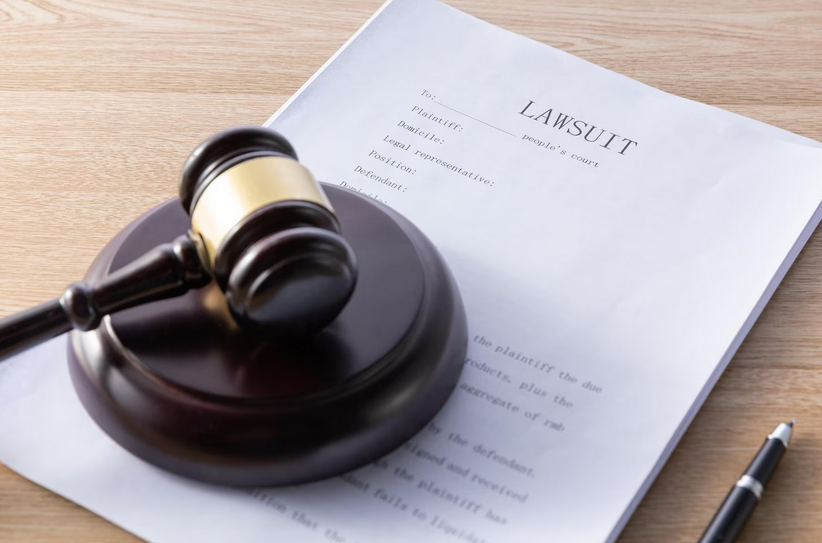
Filing a wrongful death lawsuit begins with preparing the necessary documentation. Lawyers gather police reports, medical records, and witness statements to establish liability. Timely filing is crucial, as statutes of limitations set strict deadlines. Missing these deadlines can prevent a family from pursuing compensation. By acting promptly and seeking legal support, families can ensure their claim proceeds smoothly.
Determining Types of Compensation
Compensation in wrongful death cases can include several elements. Economic damages cover medical expenses incurred before death, funeral costs, and loss of income or support. Non-economic damages account for pain, suffering, and loss of companionship. In certain situations, punitive damages may also be awarded if the defendant’s behavior was particularly reckless. Each case is unique, and an experienced lawyer helps families identify the full range of recoverable damages.
Negotiating With Insurance Companies
Insurance companies often play a significant role in wrongful death claims. While some may offer quick settlements, these amounts are not always fair or sufficient. Families must evaluate offers carefully, considering long-term financial and emotional impacts. Lawyers negotiate with insurers to achieve compensation that reflects the true cost of the loss. Their expertise helps ensure families are not pressured into accepting less than they deserve.
Court Proceedings and Trial Considerations

If a settlement cannot be reached, a wrongful death case may go to trial. Courts consider all evidence, expert testimony, and arguments from both sides. Trials provide an opportunity to present the full scope of loss and seek appropriate damages. While legal proceedings can be complex and emotional, having an experienced attorney ensures families are supported throughout the process. Proper preparation increases the likelihood of a favorable outcome.
Supporting Families Through the Process
Pursuing a wrongful death claim is emotionally challenging. Lawyers not only handle the legal aspects but also guide families through decision-making. They help clarify options, explain legal procedures, and advocate for the family’s best interests. Emotional support, combined with professional legal guidance, ensures that families can focus on healing while pursuing justice. This balanced approach strengthens both the case and the family’s well-being.
Wrongful death after a car accident is a painful reality that can leave families feeling lost and overwhelmed. Legal actions provide a path for holding negligent parties accountable and securing compensation for losses. From establishing eligibility and gathering evidence to negotiating settlements or going to trial, the guidance of experienced attorneys is invaluable. Understanding the process empowers families to make informed decisions and pursue justice for their loved ones.